
Introduction
Fourart has developed over 50 websites for businesses spanning India, the UAE, Qatar, and Saudi Arabia across diverse sectors. A recurring client question addresses low conversion rates despite adequate traffic. Session recordings reveal a consistent pattern: visitors engage with content, explore testimonials or details, access contact or pricing pages, then leave without completing the desired action.
Website conversion optimization typically doesn’t require a complete redesign. Instead, it involves identifying where visitors hesitate — whether submitting inquiries, requesting quotes, booking demos, or making purchases. The underlying issue may not be design-related; it could stem from brand perception, campaign quality, or content gaps.
What Website Visitor Hesitation Actually Looks Like
Visitors can appreciate your offerings without converting, as liking something differs fundamentally from feeling confident enough to act. The second threshold demands reassurance from answers to specific questions: cost clarity, business trustworthiness, and post-action outcomes. Leaving several of these ambiguous gives visitors rationale to postpone rather than commit.
Nielsen Norman Group has documented how cognitive load — the mental effort required to navigate and complete tasks — affects user behavior. While their research doesn’t focus specifically on conversions, the principle applies broadly: pages create friction through accumulated small gaps rather than obvious confusion.
Why Price, Design, And Traffic Quality Are Rarely The Real Problem
When conversions decline, conventional explanations get blamed initially: site speed, unclear offers, unqualified traffic, and lengthy forms. These factors matter and warrant checking, yet they seldom explain the complete picture alone.
Visitors who lacked genuine interest wouldn’t scroll back, access FAQs, or visit contact, pricing, or product sections. Such behavior indicates someone nearly convinced, often pointing to what researchers call user intent mismatch — where promotional material sets different expectations than what the page actually delivers.
How to Identify Website Conversion Problems Using Analytics
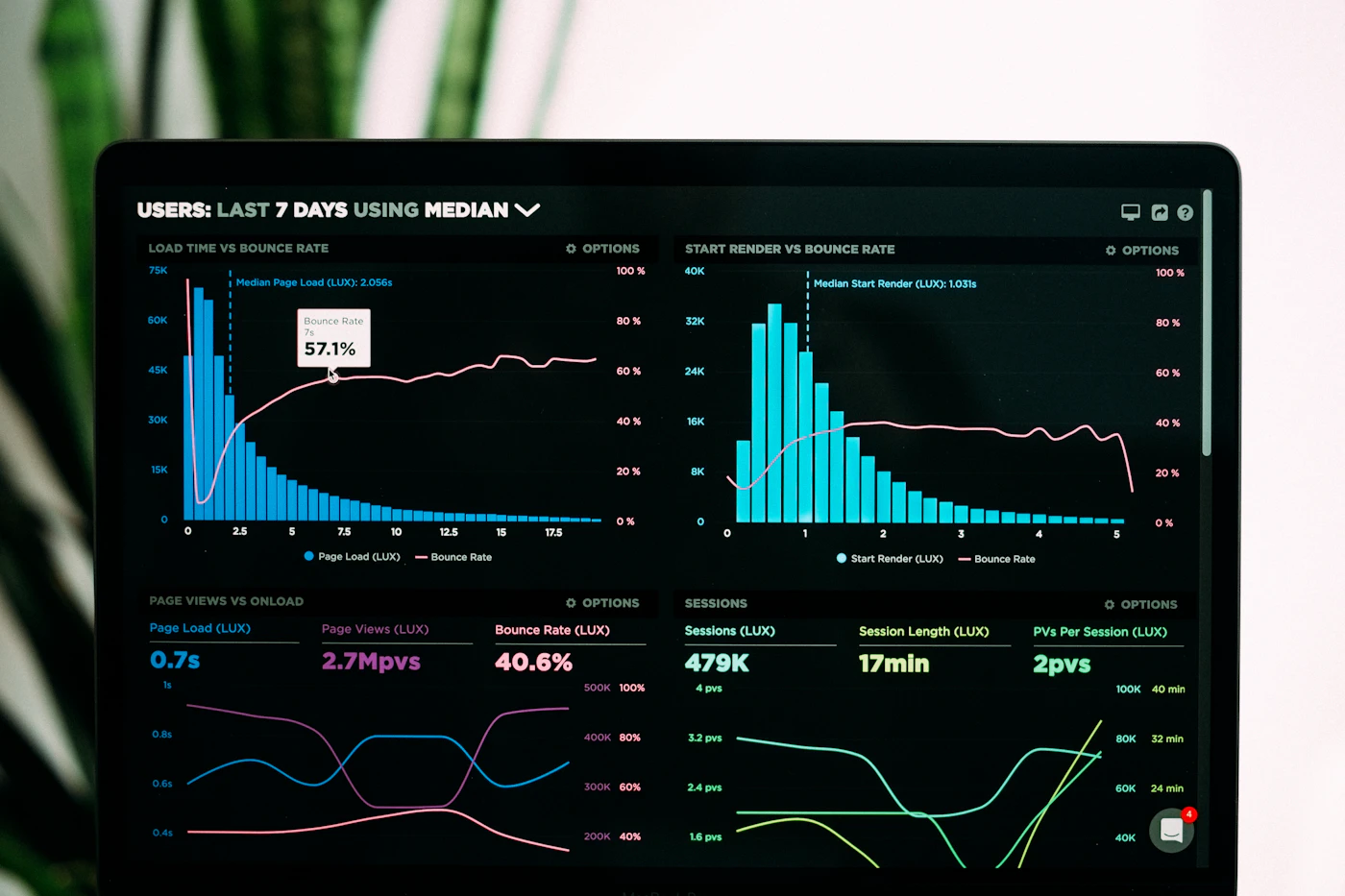
Diagnosis doesn’t require guesswork. Several tools help identify specific issues:
Microsoft Clarity excels at session recordings and heatmaps, clearly showing rage clicks and dead clicks that pinpoint visitor obstacles.
Hotjar provides similar functionality, with particularly useful form analytics for identifying specific field abandonment issues.
Google Analytics 4 works better for broader journey-level patterns than individual sessions.
Google Search Console often gets overlooked, yet it reveals actual search queries driving traffic, helping catch expectation mismatches.
| Tool | Purpose | When Used |
|---|---|---|
| Microsoft Clarity | Session recordings, heatmaps, rage & dead clicks | Initial audit starting point |
| Hotjar | Form analytics, field abandonment tracking | When Clarity needs deeper form detail |
| Google Analytics 4 | Journey-level drop-off patterns | Tracking behavior across longer sequences |
| Google Search Console | Search queries bringing visitors to page | Identifying intent mismatches |
Why Mobile Visitors Convert Less
Mobile traffic now exceeds half of visits for most industries served by Fourart. Mobile-specific conversion barriers exist beyond desktop optimization. Small tap targets force zooming or mis-tapping, adding friction before forms or checkout reaches. Lengthy forms become obstacles on phone keyboards, particularly when autofill functions poorly or keyboard types mismatch phone numbers and emails. Mobile load times carry extra weight since users often face unreliable connections and limited patience.
Baymard Institute’s research on e-commerce checkout usability, though focused on shopping carts, demonstrates that “overly long or poorly structured forms drive abandonment, especially on mobile,” a finding applicable across various conversion types.
Freeman Technical Contracting, a UAE-based client, incorporated WhatsApp inquiry options alongside standard contact forms because most of their mobile searches prompt immediate outreach attempts. This approach removes substantial friction inherent in lengthy forms while matching actual customer communication preferences.

Common Website Conversion Mistakes We Find During Audits
Several recurring issues appear across most business types during usability reviews:
Pricing Ambiguity
Pricing ambiguity prevents effective self-qualification. While not all businesses can publish fixed prices, providing starting ranges or cost-influencing factor explanations helps visitors assess relevance before committing to forms or calls.
South Indian Fertilisers‘ website clarified product ranges and franchise opportunities sufficiently that both farmers and B2B distributors could self-qualify without phone contact initially.
Trust Signals in Wrong Locations
Trust signals frequently appear in wrong locations. Visitors assessing claims need visible evidence, with strongest indicators being Google Reviews, relevant certifications, recognizable client logos, years operating, and guaranteed promises. Positioning at least one credibility marker above the fold matters, as hesitant visitors may never scroll.
SIF’s certification section highlighting ISO 9001:2015 and INDOCERT Organic demonstrates how credentials provide credibility that copy alone cannot achieve.
Weak Brand Perception
Brand perception occasionally underlies hesitation. A logo, color system, or voice that feels incomplete causes even strong testimonials to lose impact, as pages don’t appear to represent established, professional entities.
Unclear Next Steps
Unclear next steps cost conversions when multiple competing buttons confuse priorities or checkout flows omit information about post-submission handling. Visitors silently wonder: who responds, how quickly, and what does the action involve?
Classy Furniture faced different challenges, with visitors hesitating over purchase trust rather than pricing. Their solution involved creating a curated inquiry flow instead of standard add-to-cart experiences, weaving brand heritage into supporting considered buying decisions rather than rushing them.
The #1 Conversion Objection Most Websites Ignore
Why Most Website Visitors Never Come Back
Visitors rarely consciously decide to leave and return later. Distraction causes tab closures, and by the time they reconsider, fresh searches surface competitors one result away.
This matters because every unconverted visitor already represents acquisition cost — whether through advertising, SEO, or content creation. Baymard Institute tracks global cart abandonment at just over 70%, representing approximately $260 billion in recoverable annual U.S. e-commerce losses alone. Though cart-specific, this logic extends across conversion types: acquiring traffic you’ve already paid for only to watch it convert with competitors instead.
Remarketing addresses this by reaching hesitant visitors with refined messaging. Landing pages designed specifically for paid campaigns consistently convert at two to four times homepage traffic rates across client work, since entire pages focus on closing single gaps rather than competing with multiple sections.

When The Real Gap Sits Outside The Page Itself
Website audits diagnose on-page issues, but considerable hesitation originates beforehand, outside web design solutions.
Branding influences conversion when consistent logos, color systems, and voice give existing trust signals credible placement, often delivering greater impact than page layout changes. This is where our branding work earns its keep — before the visitor ever reaches the site.
Traffic quality exceeds volume importance because page-level improvements cannot solve mismatches between who arrives and who the offer serves. Performance marketing addresses this through sharper targeting, conversion-focused creative, and remarketing for first-visit non-converters.
Social proof precedes website visits when trust forms on social media platforms beforehand. Pages with flawless usability underperform if brands appeared inconsistent or inactive on platforms visitors checked earlier.
Content can be the missing element through weak headlines, absent testimonial videos, or copy failing to address visitors’ actual questions, residing closer to content strategy than structural design.
What Is a Good Website Conversion Rate?
Conversion rates vary substantially by industry, traffic source, business model, and conversion definitions, so no universal benchmark applies. Most Fourart clients experience low-single-digit percentage conversion rates from total visitors, with optimized paid-traffic landing pages often performing several times higher.
When Website Conversion Problems Aren’t Caused by Copy
Sometimes issues stem from page construction rather than writing. Confusing navigation, weak hierarchy, and slow above-fold loading don’t independently create hesitation but complicate every other fix. Sites offering excessive competing options — multiple paths or contact methods presented equally — leave visitors unable to identify applicable choices, selecting none instead.
Behavioral researchers term this “choice overload,” where beyond certain thresholds, additional options reduce selection likelihood.
Organic visibility contributes similarly: well-converting pages achieve little without reaching appropriate audiences. SEO and organic growth address this through technical improvements, keyword-intent alignment, and on-page enhancements driving traffic already wanting what pages offer.
For persistent uncertainty after reviewing analytics and gathering visitor feedback, professional website conversion audits prove more efficient than sequential guessing.
Not sure where your website is losing customers?
We’ll audit your site’s conversion gaps in one working day — free, no obligation.
Get a Free Website Audit →Frequently Asked Questions
Why do visitors leave a website without converting?
Usually specific information gaps exist regarding pricing, credibility proof, and post-submission processes. Session recordings reveal interested visitors often leave regardless, suggesting hesitation rather than disinterest.
Why don’t interested visitors take action?
Reading content and trusting businesses sufficiently to act represent different psychological thresholds. Many pages satisfy the first without clearing the second.
What’s a good website conversion rate?
No single universal number exists — rates vary too significantly by industry, traffic sources, and conversion definitions. What matters involves directional movement over time rather than absolute figures.
How do I know why people are leaving my website without converting?
Begin with Clarity and Hotjar for individual abandonment patterns, GA4 for journey-level patterns, and Search Console for expectation mismatches. Direct visitor conversations typically reveal more in twenty minutes than weeklong analytics reviews.
Does live chat actually increase conversions?
Results depend heavily on implementation and audience. Generic widgets rarely help substantially; those addressing two or three actual visitor questions perform significantly better.